
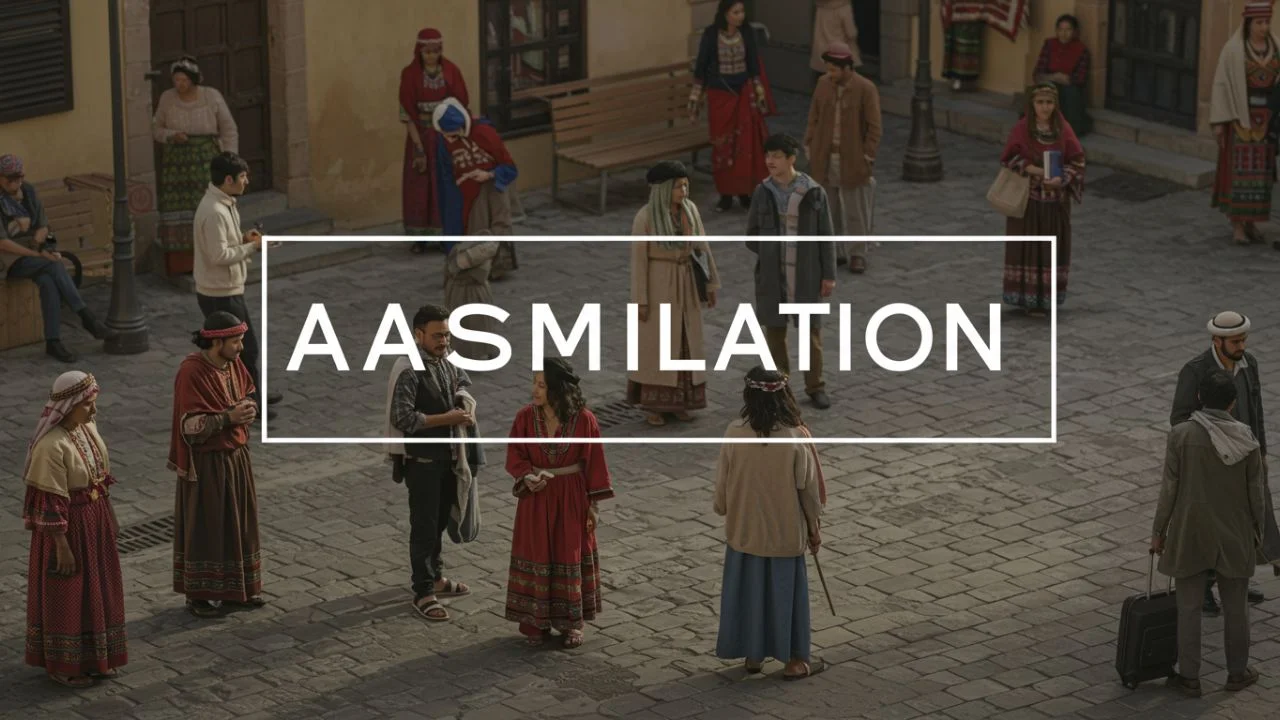
Assimilasjon: Simple Guide to Understand It in Daily Life
Assimilasjon is a word that sounds big, but it has a very simple meaning. When people talk about assimilasjon, they mean the way someone slowly becomes part of a new group, culture, or place. It can be about learning new habits, using new words, or even understanding new traditions. For example, when a child moves to another country and starts speaking the new language like local kids, that is assimilasjon. This process happens step by step, and sometimes it feels natural, while other times it takes effort. Many people around the world experience assimilasjon when they travel, study abroad, or move for work. It is not just about changing yourself but also about mixing old and new parts of life. Assimilasjon helps people connect, share, and live better together in society.
Assimilasjon is not always easy because it can feel like leaving behind the old ways you love. Some people may worry that they are losing their own identity when they try to fit in with others. But assimilasjon can also give a person new chances, like more friends, better jobs, and stronger connections in their community. It works like a bridge that joins two sides—the culture you were born into and the culture you are stepping into. Many families around the world live with two or more cultures at the same time, and they balance them with care. Assimilasjon also happens in schools, workplaces, and even online spaces where people from different backgrounds come together. The key is to understand that assimilasjon is not about erasing your past but about learning to blend in a way that makes life smoother.
What Does Assimilasjon Really Mean in Simple Words?
Assimilasjon is a process where someone slowly starts to fit into a new culture or group by learning and accepting new habits, language, and ways of life. It is like mixing two colors together to create something new, where parts of both are still present. For example, when a person moves to another country, they may learn the local language, follow customs, and even celebrate local holidays. This helps them feel like they belong. At the same time, they can keep their own traditions alive. Assimilasjon does not mean forgetting who you are; it means finding balance. It is about building bridges between old and new worlds, making it easier to connect and live together peacefully.
History of Assimilasjon and Why It Still Matters Today
The idea of assimilasjon has been around for hundreds of years, as people have always moved from one place to another. Long ago, people who traveled to new lands had to adjust quickly to survive, learning new skills and customs. Over time, many governments encouraged assimilasjon as a way to build unity and avoid conflict. Some societies even demanded it, asking newcomers to follow their culture completely. Today, assimilasjon is still important because our world is more connected than ever before. With travel, migration, and global work opportunities, people often face the challenge of blending into new communities. Understanding the history of assimilasjon shows why it continues to shape how people live together and build harmony in a changing world.
Different Types of Assimilasjon You Should Know
Assimilasjon is not the same for everyone, and it can happen in different ways depending on the situation. One type is cultural assimilasjon, where a person adopts new language, clothing, and customs. Another type is structural assimilasjon, which happens when newcomers join schools, workplaces, or local communities and feel accepted. There is also social assimilasjon, where friendships and personal bonds grow between different groups. In some cases, people experience full assimilasjon, where they almost completely blend into the new culture, while others may only adapt partly, keeping stronger ties to their roots. Understanding these types of assimilasjon helps us see that the journey is not one-size-fits-all. Each person’s experience is unique, shaped by choice, environment, and level of support.
How Assimilasjon Shapes Identity and Belonging
Assimilasjon has a big impact on how people see themselves and where they feel they belong. When someone learns to live in a new culture, they may start to think in new ways, speak differently, and act in ways that match the group around them. This can create a sense of belonging and safety, making them feel less like an outsider. But at the same time, it can cause confusion, because people might feel torn between two identities. Some embrace a mix of both, creating a new version of themselves, while others feel pressure to choose. Assimilasjon shapes identity by weaving together past and present experiences, helping people build a place where they feel truly at home.
The Good Sides and Hard Sides of Assimilasjon
Assimilasjon comes with both good parts and tough parts, and it often depends on how open the new culture is. On the positive side, it can help people gain better chances, like education, jobs, and friendships, because they understand how to fit into the community. It also builds harmony, as people share common values and traditions. But the hard side of assimilasjon is that some people may feel like they are losing their culture, language, or identity. It can be stressful to try to fit in while holding onto the past. Sometimes, people face rejection if they do not adapt quickly. The challenge is finding a healthy balance, where new opportunities are embraced without forgetting one’s roots.
Assimilasjon in Schools, Workplaces, and Daily Life
Assimilasjon is seen clearly in schools, workplaces, and daily routines, where people from different backgrounds meet. In schools, children who come from other countries learn the new language, study the same subjects, and make friends, which helps them fit in. In workplaces, employees may learn the work style of the company, follow team culture, and adjust to new communication methods. Daily life also shows assimilasjon, like eating local food, celebrating festivals, or following community rules. These small changes help newcomers feel included and respected. At the same time, these places benefit too, because diversity brings new ideas, skills, and creativity. Assimilasjon in everyday spaces shows how societies grow stronger when people adapt and share their experiences with each other.
Tips to Make Assimilasjon Easier Without Losing Yourself
Assimilasjon can feel challenging, but there are simple tips to make it easier while keeping your true self. First, learn the local language, because communication opens many doors. Second, take part in community events and traditions to understand others better. At the same time, keep practicing your own customs at home, so your roots stay alive. Making friends from both your culture and the new culture creates a healthy balance. Do not rush; remember that assimilasjon is a slow process. Be open to new ideas, but also proud of your background. Sharing your culture with others can also build respect and curiosity. With patience and positivity, assimilasjon becomes smoother and helps you grow without losing who you really are.
Real-Life Stories: How People Experience Assimilasjon
Many people experience assimilasjon in different ways, and their stories show how unique the journey can be. For example, a student moving abroad may struggle at first with the new language but slowly gain confidence by talking with classmates. A family moving to a new country may find comfort in learning local recipes while also sharing their traditional food with neighbors. Some people feel at home quickly, while others take years to adapt. These stories remind us that assimilasjon is not about perfection but about progress. Every person blends old and new in their own way, and this mix often becomes their strength. Real-life stories prove that assimilasjon is not only possible but also a powerful path to connection.
Conclusion
Assimilasjon may sound like a big word, but really it is about people learning to live together in peace. It helps people join new places, make friends, and share ideas. Sometimes it feels hard, but it also brings many chances for growth and happiness. We should remember that assimilasjon is not about losing who we are, but about adding new colors to our life.
In today’s world, more and more people move to new countries and meet new cultures every day. This makes assimilasjon very important for everyone. If we stay kind, patient, and open, assimilasjon can help us build stronger families, schools, and communities. It is not only about change but also about learning, sharing, and growing together.
FAQs
Q: What is assimilasjon in easy words?
A: Assimilasjon means learning new ways, like language or customs, to fit into a new culture or group.
Q: Is assimilasjon the same as losing your own culture?
A: No, you can keep your own traditions while also learning new ones. It is about balance, not losing yourself.
Q: Why is assimilasjon important today?
A: Because people move and meet new cultures often, assimilasjon helps everyone live, work, and grow together peacefully.